


How Can Dental Implants in Mount Pleasant, PA Restore Your Smile?
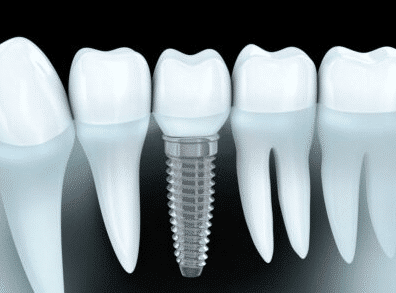
Missing teeth can change the way you eat, speak, and feel when you smile. If you are exploring dental implants in Mount Pleasant, PA, we understand that you want a replacement that feels secure and looks natural. Implant treatment can replace one tooth or support a larger restoration, depending on your needs. Understanding how it works helps you decide whether it fits your dental health and daily routine.
How Can Dental Implants in Mount Pleasant, PA Replace Missing Teeth?
A dental implant is a small post placed in the jawbone to provide a foundation for a replacement tooth. After the surrounding bone heals, a connector and a custom restoration, such as a crown, complete the visible portion. The finished tooth is designed to blend with your natural smile.
Unlike a removable denture, an implant-supported replacement has a stable foundation. It also usually avoids the need to reshape healthy neighboring teeth, which may be required for a traditional bridge. For people missing several teeth, multiple implants can sometimes support a bridge or certain types of dentures.
The right approach depends on how many teeth are missing, their positions, and the condition of your gums and jawbone.
Returning to Everyday Comfort
A gap in your smile can make biting into food uncomfortable or cause you to chew mostly on one side. With dental implants in Mount Pleasant, PA, you may regain a more balanced bite once treatment and healing are complete.
Implant-supported teeth can offer stability when speaking and eating. This may make it easier to enjoy a wider variety of foods, although your dentist will advise you about temporary restrictions during recovery. The secure fit can also reduce some of the concerns associated with removable replacements.
Appearance matters, too. A carefully designed crown can match the size, shape, and color of nearby teeth. When your smile feels more familiar, photographs, conversations, and social occasions may become more comfortable.
Supporting Jawbone and Neighboring Teeth
When a natural tooth is lost, the jawbone in that area no longer receives the same stimulation from chewing. Over time, bone can shrink. An implant transfers some chewing forces to the bone and may help limit further bone loss in the treated area.
Leaving a space untreated can also allow nearby teeth to shift, potentially changing how your upper and lower teeth meet. Replacing the missing tooth may help maintain spacing and support a more balanced bite.
A dental implant clinic in Mount Pleasant, PA can evaluate bone levels, gum health, and neighboring teeth before recommending a plan. Early assessment can clarify whether you need additional treatment before implant placement.
Understanding the Treatment Process
Implant treatment begins with a consultation. Your dentist examines your mouth, reviews your medical and dental history, and may use imaging to assess the jawbone. Together, you can discuss whether an implant, bridge, or another replacement best meets your needs.
If an implant is appropriate, the post is surgically placed in the jawbone. The area then needs time to heal as bone bonds with the implant. This stage often takes several months, although the schedule varies for each person.
Once healing is sufficient, the dentist attaches the final restoration. Some patients need a bone graft or other preparation first. Your treatment team should explain the stages, expected visits, possible risks, and costs before you decide.
Caring for Your New Smile
Implants cannot develop cavities, but the surrounding gums and bone around them still need attention. Brush twice a day, clean carefully around the restoration, and follow your dental team’s advice about floss or interdental brushes.
Regular dental visits allow your provider to check the implant, crown, gums, and bite. If you grind your teeth, a protective night guard may be recommended. Avoiding tobacco can also support gum health and healing.
Good home care does not guarantee that an implant will last indefinitely, but it can reduce problems and help protect your investment in treatment.
Conclusion
Replacing missing teeth can improve more than the appearance of your smile. It may also make eating, speaking, and caring for your remaining teeth easier. If you are considering dental implants in Mount Pleasant, PA, a personal evaluation is the best place to start. At Prime Dental, patients can discuss their concerns and learn which tooth replacement choices fit their oral health needs. Every case is different, so ask questions about healing, maintenance, and costs before making a decision.
Ready to take the next step toward a healthier smile? Contact us to schedule an appointment and discuss your options.
Frequently Asked Questions
1. Are dental implants suitable for everyone?
Not everyone qualifies immediately. Healthy gums and sufficient jawbone are important, while certain medical conditions or habits may affect healing. A dental evaluation helps assess suitability.
2. How long does dental implant treatment take?
Treatment often takes several months because the implant needs time to bond with the jawbone. Additional procedures, including bone grafting, may extend the overall timeline.
3. Will my implant look like a natural tooth?
The visible crown is shaped and shaded to blend with surrounding teeth. Its final appearance depends on your bite, gum health, placement, and restoration design.